Lineage

Chöd traces its origins to an early Indian mahasiddha, Padampa Sangye, and a Tibetan Yogini, Machig Labdrön. Practiced by every major school of Tibetan Buddhism, it is a complete system in its own right, with certain liturgies containing their own ngöndro. Chödpas, those dedicated to the practice of Chöd, have a distinctive lifestyle that has flourished for over nine hundred years.
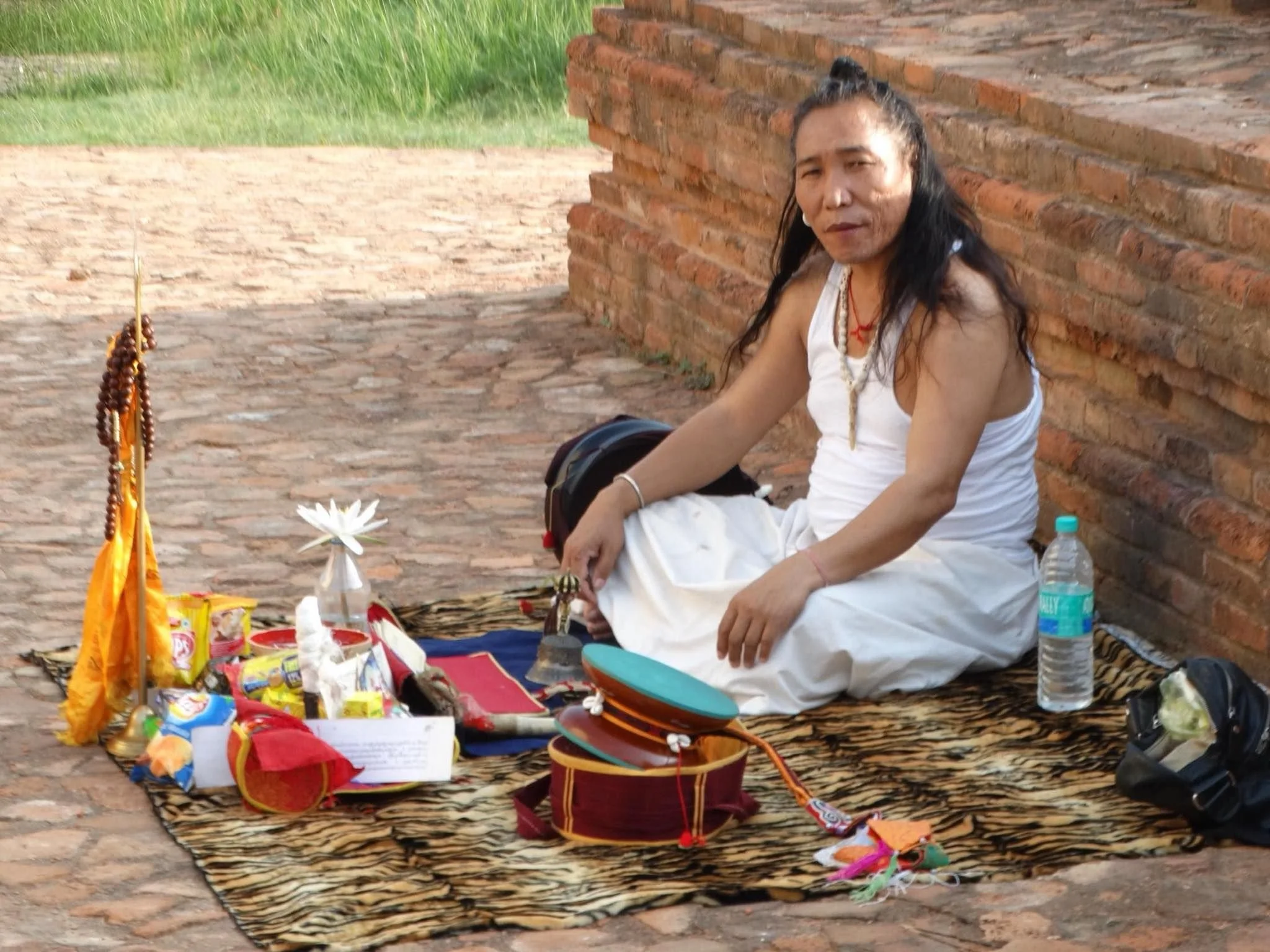
Chödpa Kunzang Dorjee carries on the living tradition of Chöd, practicing and teaching just as his teachers did before him.
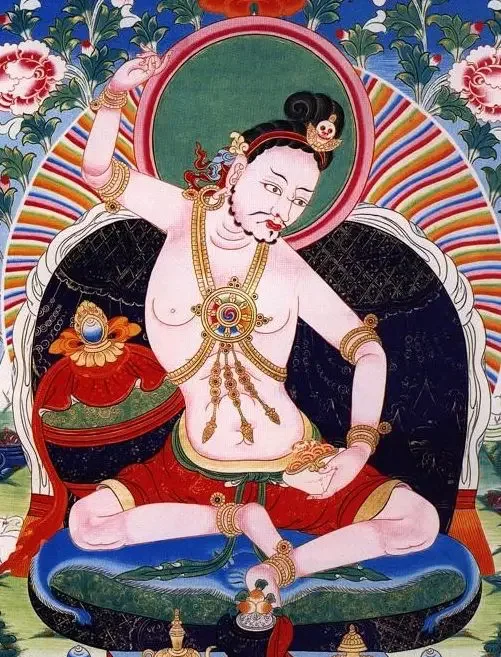
Sri Singha
A Rigdzin (Vidyādhara or knowledge holder) and chief of all scholars, he was a disciple of Majushrimitra. He became one of the most important Dzogchen masters and taught Padmasambhava, Vimalamitra, and Vairotsana. He organized Dzogchen into four cycles - outer, inner, secret, and innermost secret.
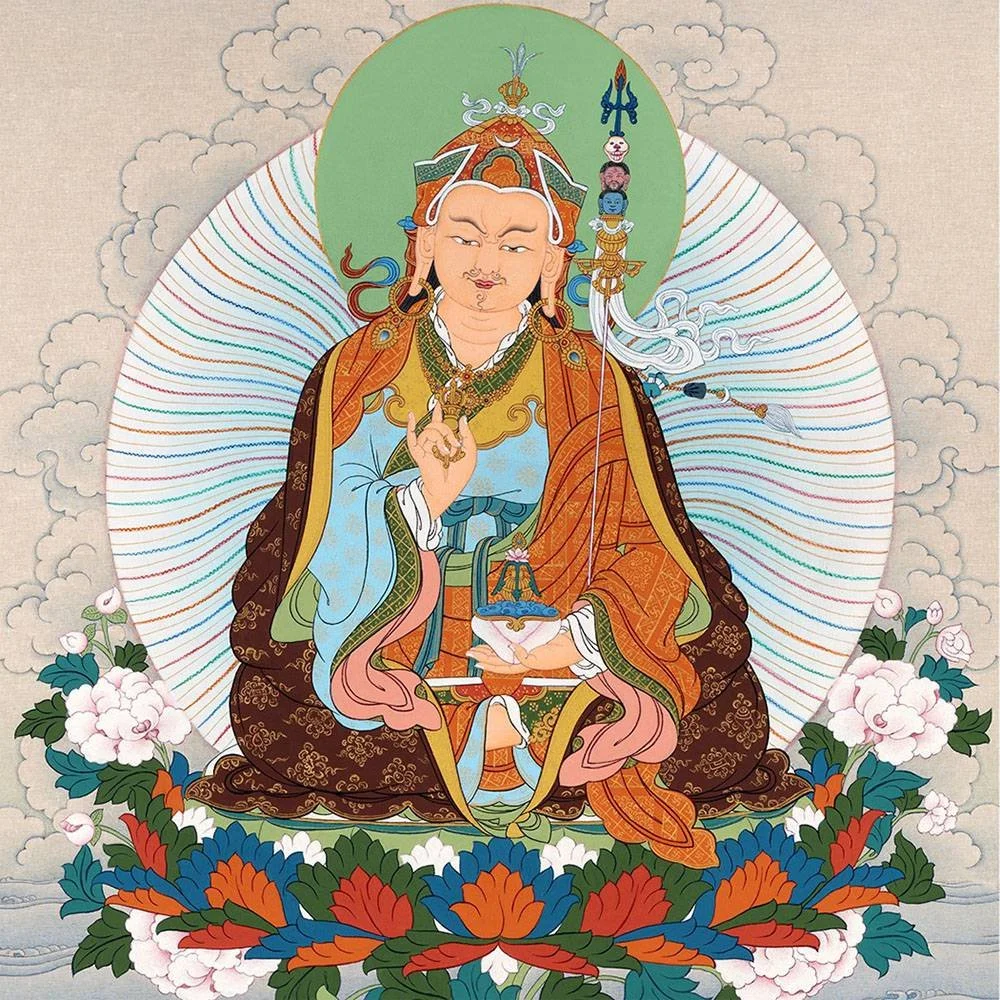
Padmasambhava (Guru Rinpoche)
Born in Oddiyana, he introduced Tantric Buddhism to Tibet, where he built the first Buddhist monastery. He is regarded as the speech emanation of Amitabha.
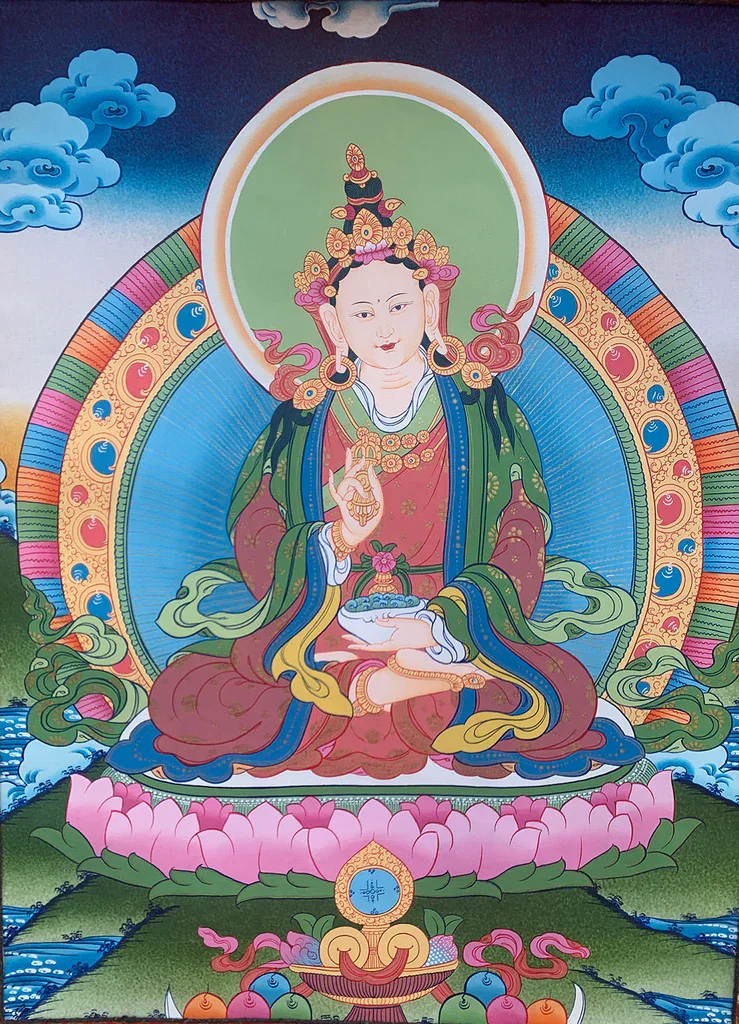
Yeshe Tsogyal
Born in Tibet, she is regarded as the female emanation of Samantabhadra, as well as Tara, Vajravarahi, and Krudhakali (Tröma Nagmo). She is the principal female disciple and consort of Padmasambhava and hid many of Guru Rinpoche’s teachings as treasure texts for future masters.
Pema Ledrel Tsal
An emanation of Princess Pema Sel and a disciple of the Yeshe Tsogyal lineage, he revealed Khandro Nyingtik and later was reborn as Longchenpa.
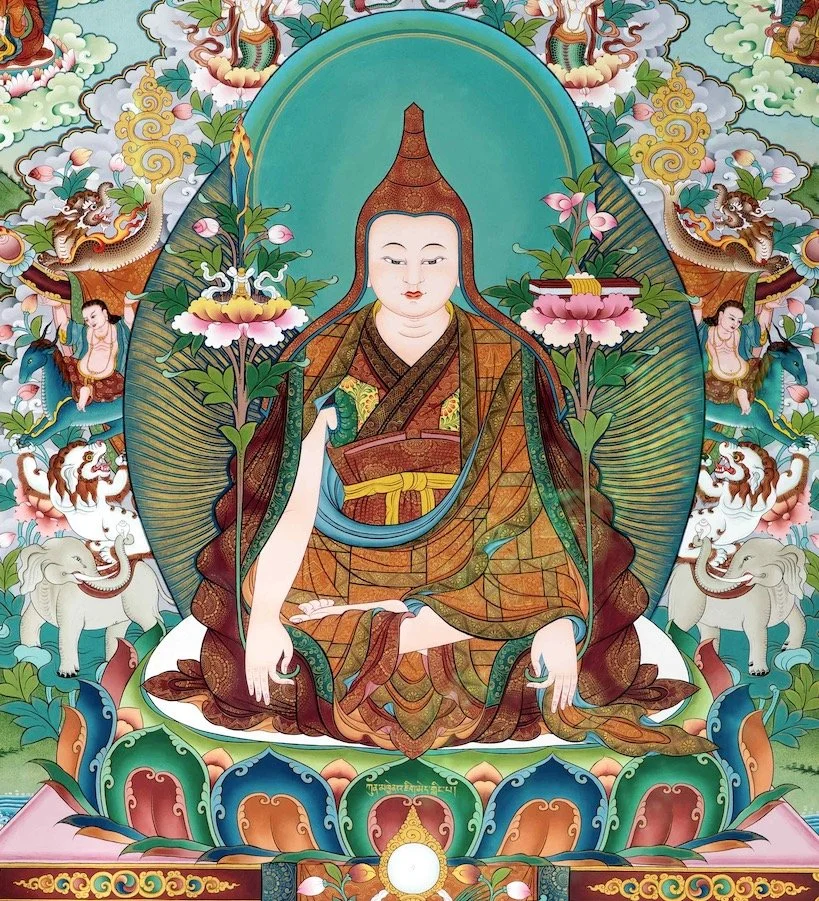
Longchen Rabjam Drimé Özer (Longchenpa)
A central figure in the Nyingma School, he wrote extensively on Dzogchen and codified various Nyingtik cycles. From a young age, he became a renowned scholar and studied with many great masters. He spent much of his time practicing alone in the mountains.
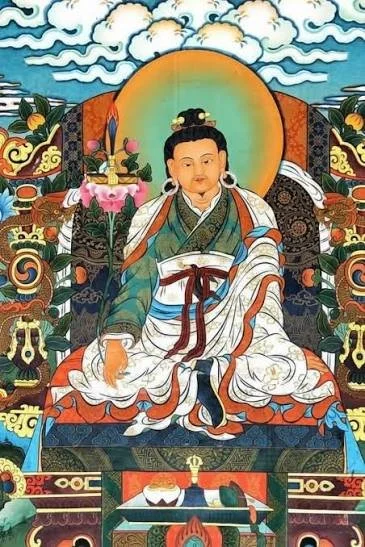
Jigmé Lingpa
An emanation of King Trisong Detsen, he received the Longchen Nyingtik in a vision at age 28. Later, Longchenpa appeared several times in his visions. Following these visions, he preserved much of Longchenpa's work
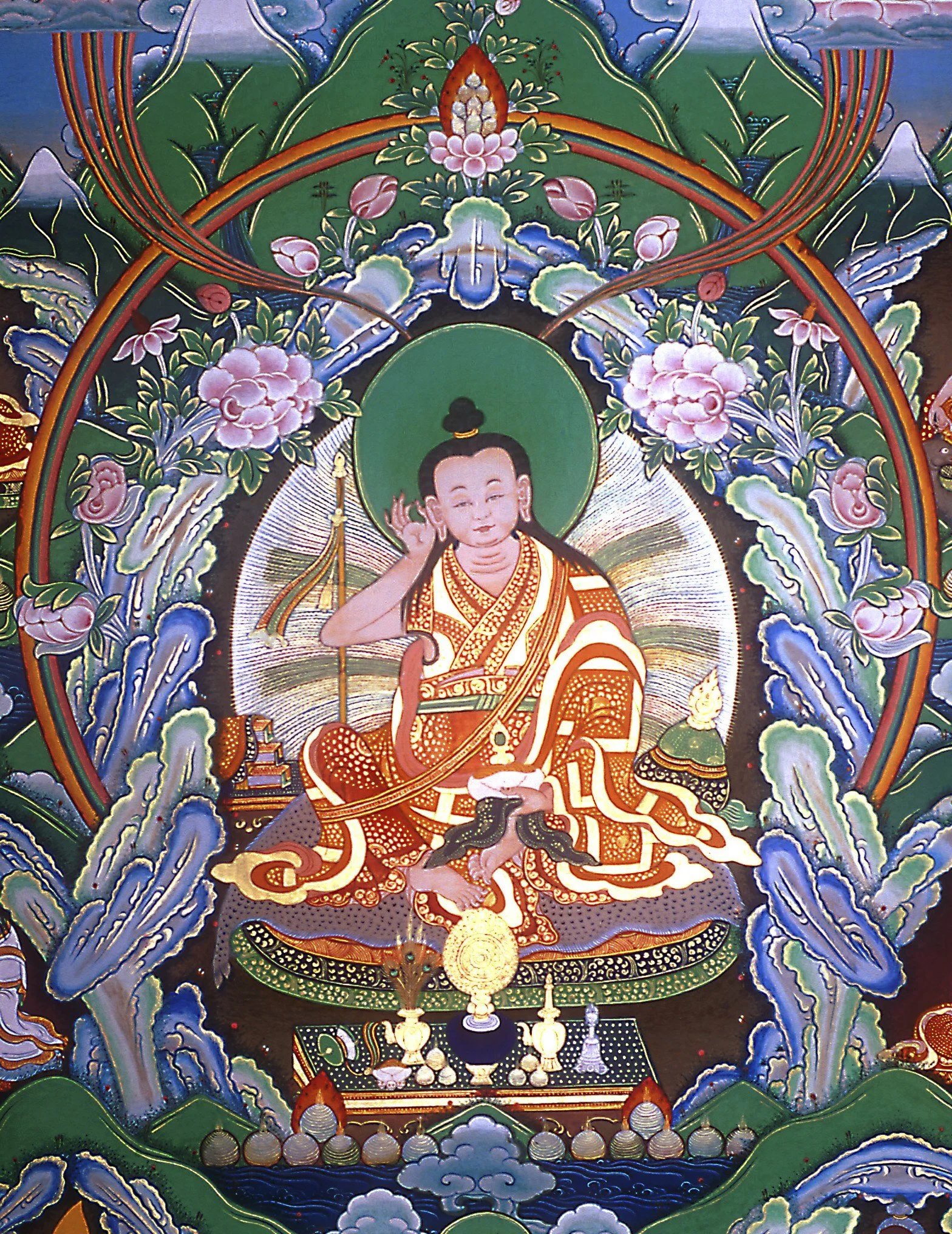
Chögyal Ngakgi Wangpo
Regarded as the Dharmaraja Lord of Speech and an emanation of Padmasambhava, he was a disciple of Dodrupchen Rinpoche Jikme Trinle Özer, who was a disciple of Jigme Lingpa.
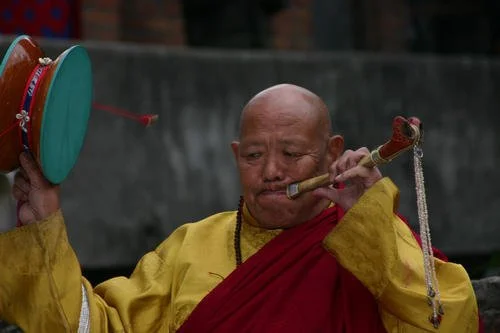
Shakbar Tsokdruk Rangdröl
A disciple of Chogyal Ngakgi Wangpo, he is regarded by some as an emanation of Milarepa. He spent much of his time in mountain retreats and constructed many great stupas in Tibet and Nepal, including the Great Stupa in Kathmandu. One of his most important works is the Flight of the Garuda.
Root teachers of Chödpa Kunzang Dorjee
-
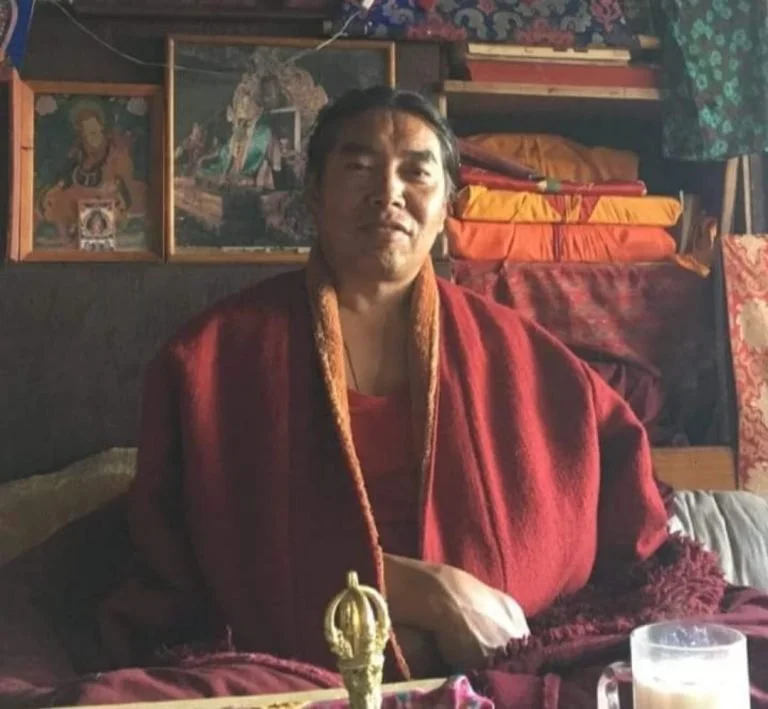
Lama Wangdu Rinpoche
A Tibetan yogi, he was a renowned teacher and healer. He was a lineage holder of the Chöd, Zhije, Phowa, and Longchen Nyingthig traditions. Born in Tingri, the same region as Kunzang Dorjee, and where Padampa Sangye, the great father of Chöd, taught. Under the guidance of his teacher, Lama Naptra Rinpoche, he completed the traditional 108-charnel-ground Chöd practice in Tibet just before 1959, when the borders were closed. His Holiness the Dalai Lama recognized Lama Wangdu Rinpoche as a lineage holder of Chöd and Zhijé and asked him to spread and preserve these traditions. It was for this purpose that Lama Wangdu Rinpoche founded his monastery in Nepal.
Chödpa Kunzang Dorjee met and trained with Lama Wangdu Rinpoche many years ago, before Lama Wangdu Rinpoche gained widespread recognition as a famous Chöd master.
-
Lama Choedak Rinpoche
He is a Ngakpa or Tibetan Yogi, who lives in full-time retreat near Nagarkot in the mountains above Kathmandu. He was born in Eastern Tibet, in Kham, in the area known as Khams ‘denma. The place he first trained at was called Burleg Monastery (Tib. ‘bur legs dgonpa). The main teacher at that monastery was his first Lama, Gangsar Khenpo Lama. His second Lama was Yagton Sangye Tulku (Tib. gYag sTon Sangs rgyas sprul ku). After he left Tibet, he went to India to study Buddhist philosophy, studying many classical texts. After this, he went to Pharping, where he spent 21 years in retreat. Following this retreat, he moved to Nagarkot, where he has lived in retreat and practiced for four and a half years. Lama Choedak Rinpoche authorized Kunzang Dorjee to teach Chöd, perform Mo divination, train students, and practice healing. He instructed Kunzang Dorjee to benefit others through teaching activities and gave his blessing and support for the founding of Khandro Labdrön Shije Chöd Institute.
-
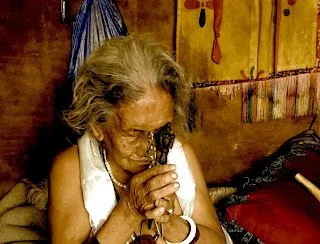
Ani Dawa or Momo-la
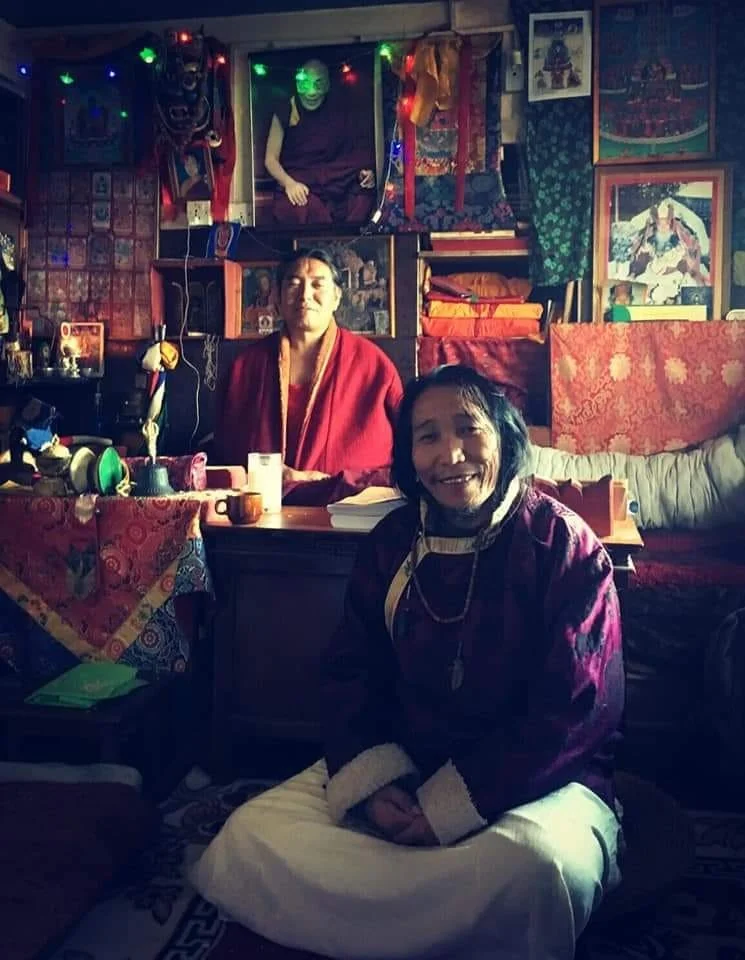
One of Chödpa Kunzang Dorjee’s teachers was also Momo-la, a ninety-year-old Tibetan Dakini who lived in full-time retreat in Nagakort until her passing in 2019. Her official name was Ani Dawa, although she was called Momo-la by her students. Embodying the wisdom tradition of Tibetan Yoginis, she guided Kunzang Dorjee through her own direct experience.
Today, Kunzang Dorjee continues the lineage through various activities. He alternates between retreat practice in the cremation grounds of India-Nepal and his work at his center in Boudha, Kathmandu, Nepal, where he trains students in Chöd. A rare aspect of his teaching is that he trains students from the beginning in every aspect of Chöd practice, including how to use the drum, choose instruments, and chant and visualize. He prepares and trains students for how to do their own Chöd retreat, including all the classical elements of Chöd, the dances, the rituals, and most importantly – the way of being.