Extended Biography
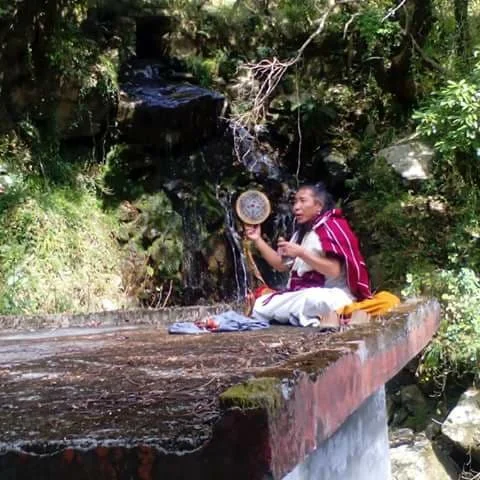
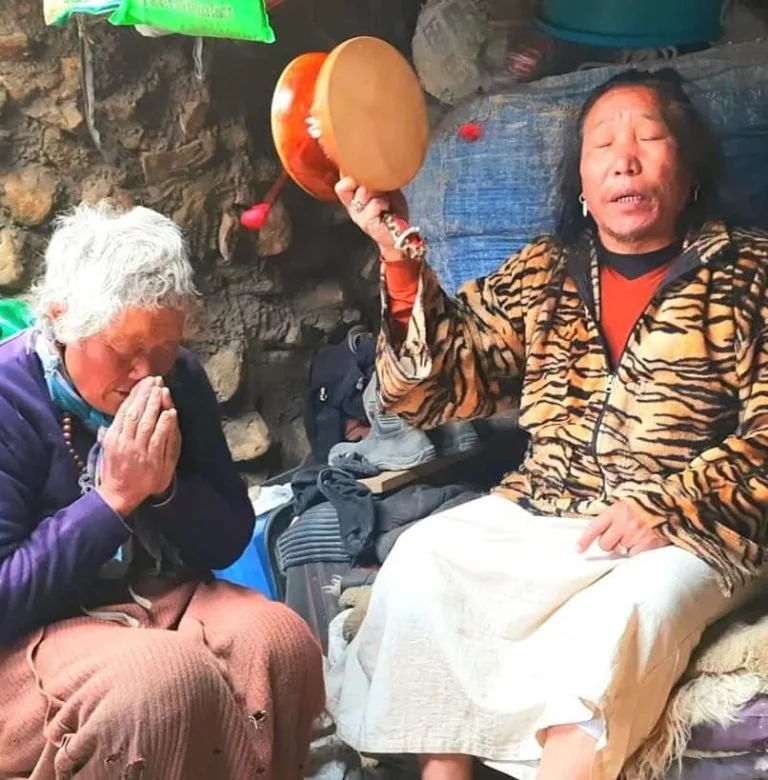
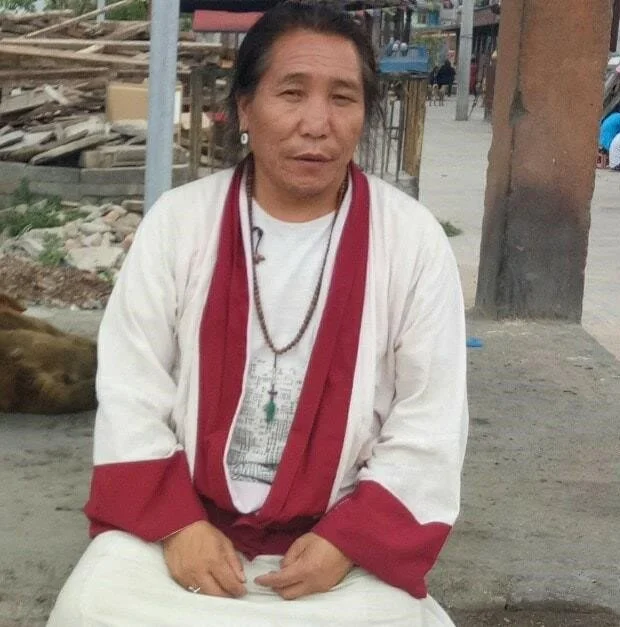
Hailing from Tibet, Chödpa Kunzang Dorjee continues the ancient tradition of the Chödpa, the yogi who wanders from charnel ground to charnel ground, from stream to stream, and from mountain to mountain throughout the Himalayas, practicing the prayers and meditations of Chöd. Chödpa Kunzang Dorjee’s main teachers have been Lama Wangdu Rinpoche and Lama Thuptan Choedak Rinpoche. He is the founder of the Khandro Labdrön Shije Chöd Institute in Boudha, Nepal.
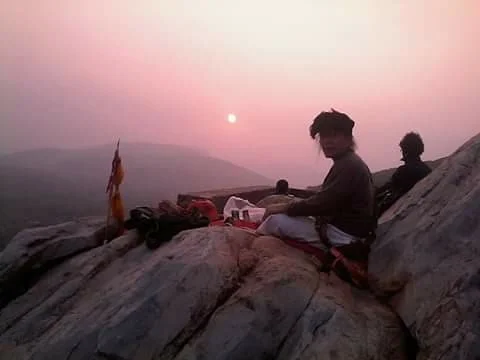
He has more than a decade of experience practicing Chöd and has accomplished the difficult, secret retreat in Nepal’s charnel grounds under the advice of his gurus, Lama Wangdu Rinpoche and Lama Choedak Rinpoche. Chödpa Kunzang Dorjee can often be found on pilgrimage to holy spots and power places around the subcontinent and the Himalayas.

Born in Tingri
Chödpa Kunzang Dorjee was born as Sonam Dorjee in the small village of Bartso, in the province of Dingri, Tibet. Since Padampa Sangye, a pivotal figure in the spread of Chöd, established Langkor Monastery in the nearby Langkor Valley, this area has long served as a spiritual crossroads for chöd lineage transmissions. The deep connection to this practice continues into the modern era, with Lama Tsering Wangdu, a renowned Chödpa, born in the Langkor Valley.
In his oral biography, Lama Wangdu recounts Dingri’s deep connection to the Dharma.
Buddha was teaching a student the Prajñāpāramitā (the Perfection of Wisdom, from which Chöd derives) sutra at Vulture Peak. During the teaching, he picked up a stone, placed three finger prints on it, and said, “Wherever this stone lands, in the future, you will preach the perfection of wisdom, and there, my Dharma will spread.” When he threw the stone, it landed north of Mount Everest, becoming the land of Dingri.
According to traditional lore, in the area where Chödpa Kunzang Dorjee was born, the local people and wildlife suffered from the toxicity of a vast lake. Birds and animals that drank from the poisonous waters died, and the news of this tragedy spread until it reached four great mahasiddhas in India. To relieve the suffering, these masters traveled to Tibet and subdued the lake by lifting an enormous mountain from nearby Vulture Peak. They placed this massive piece of earth over the poisonous waters, transforming it into the Holy Mountain, Tsipri.
After many years, four Indian yogis, or sky-walkers (dakinis), sought to return the mountain to India. However, by that time, the Tibetan Dharma practitioners had become highly skilled and powerful, so they successfully resisted, turning the four Indian yogis into four large rock formations that the local people call Zir-Chen-Shi (gzer chen bzhi), meaning Four Big Nails.
Among these Tibetan yogis who protected Tsipri was Unkar Tashi, an ancestor of Chödpa Kunzang Dorjee.
This mountain and the surrounding region have long been revered as a sacred place, drawing many practitioners for retreat and pilgrimage. Over the centuries, many Dharma masters, including Milarepa, Marpa, and various mahasiddhas, have journeyed to the area.
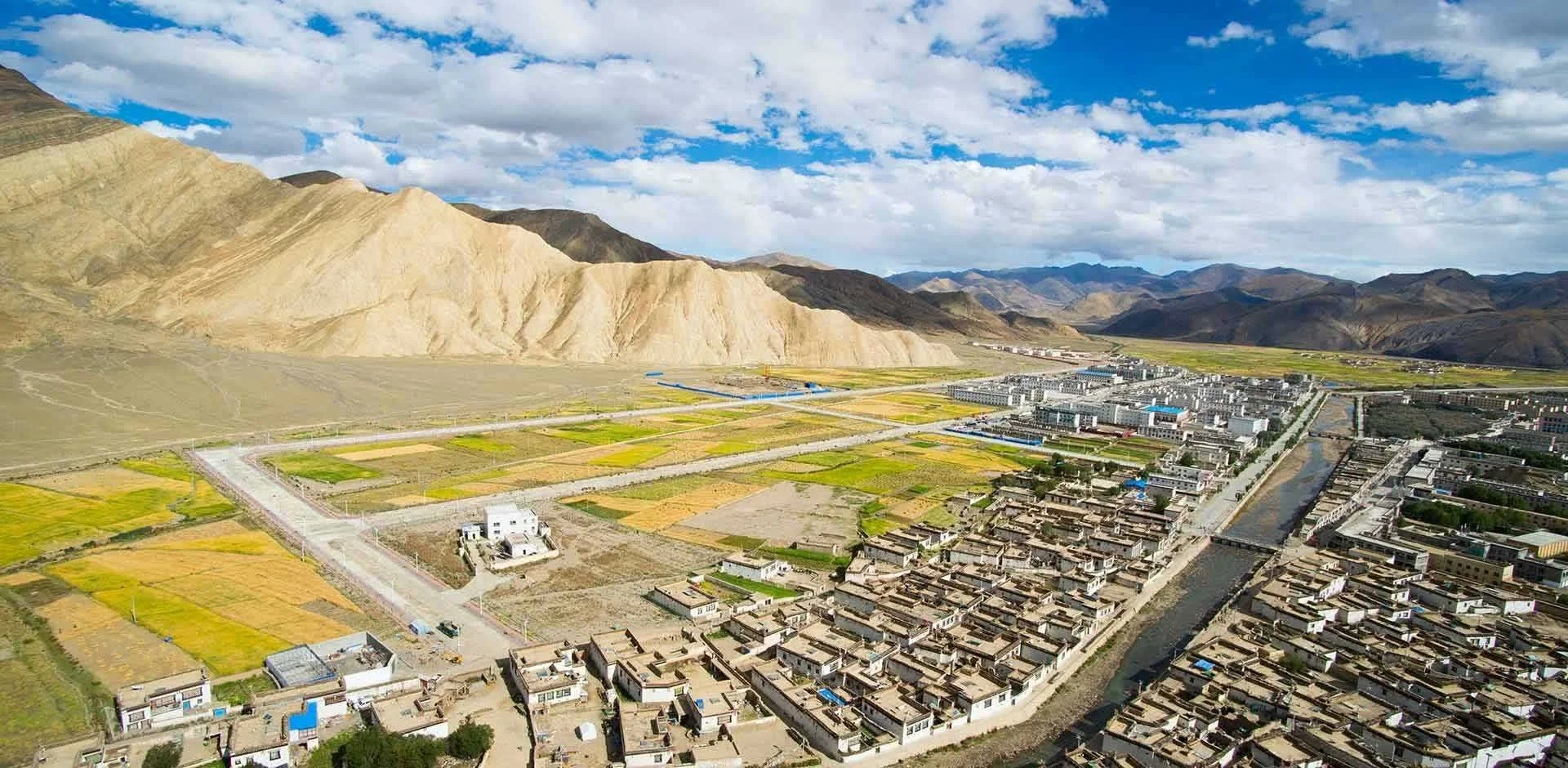
Tingri County
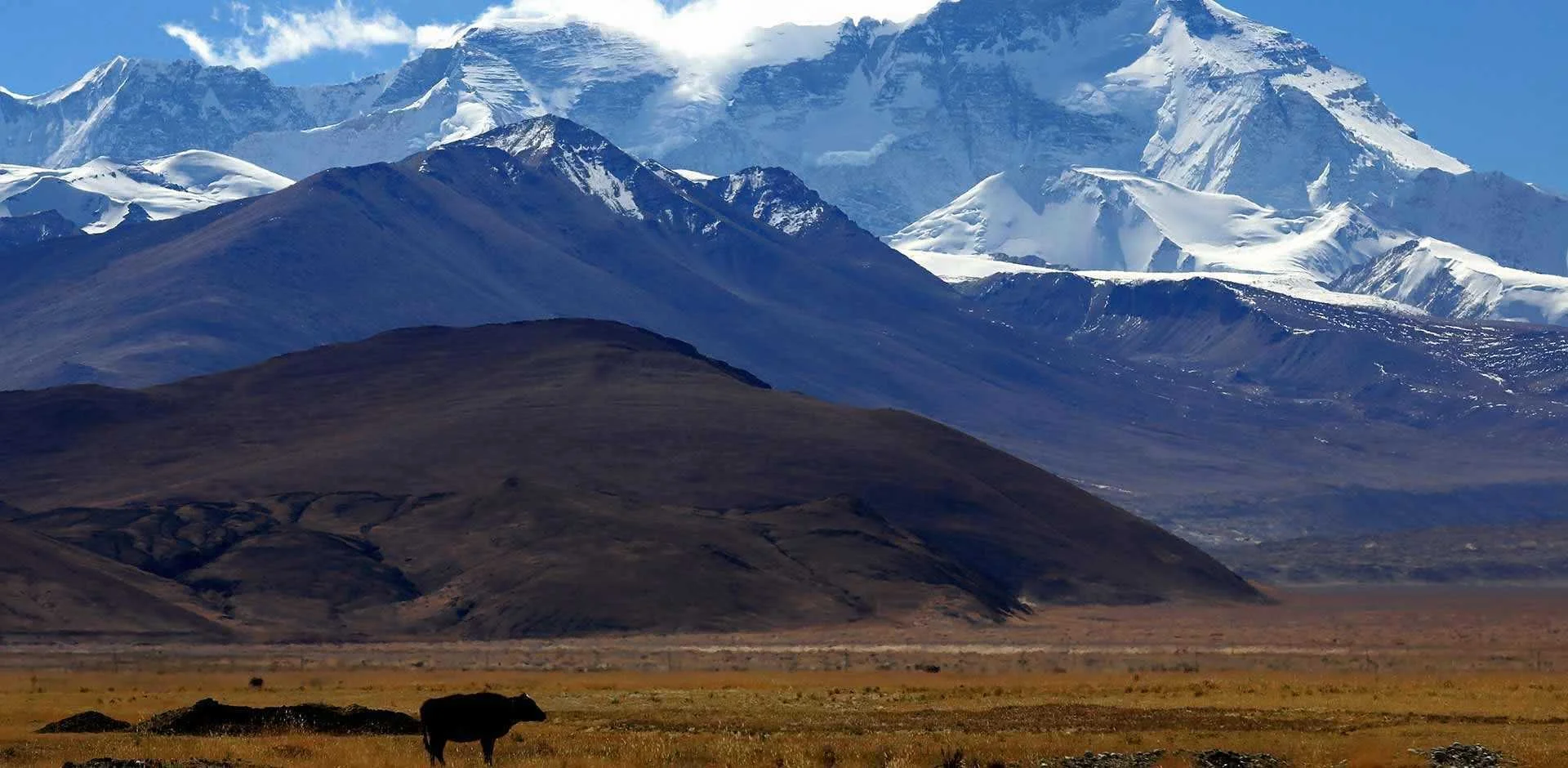
Holy Mountain Tsib-ri
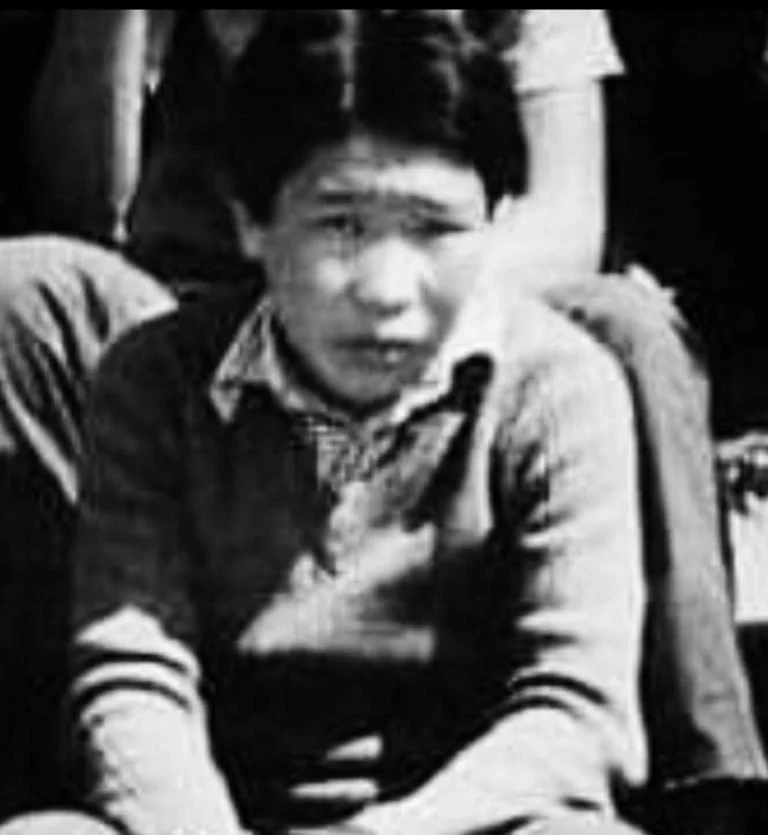
Crossing the border
In Tibetan tradition, the eldest child assumes responsibility for managing the household. However, because Kunzang Dorjee’s mother had remarried when he was very young, she sought to secure a better future for him and avoid any inheritance disputes with his half-siblings. At the age of seven or eight, she decided to leave Tibet for India.
At the Tibet-Nepal border, they encountered a major hurdle. While his mother could cross, he lacked travel documents. Undeterred by this setback, she convinced a truck driver headed to Kathmandu to hide him inside a bundle of sheep’s wool with enough tsampa for the journey. They reunited in Nepal, a moment he fondly remembers as filled with joy and food. After a few days visiting local holy sites and meeting his maternal aunt and uncle, they continued on to India.
Upon first arriving in India, they traveled to Bodhgaya. His mother hoped to enroll him in a monastery. However, during the writing admission test, he wrote, “Long live Mao Zedong,” the only sentence he learned to write in his school in Occupied Tibet. Consequently, he failed, but on later reflection, he recognized this as the first sign that he was not to become a monk, but rather live as a yogi.
Journey to Dharamsala
With no prospect of joining the monastery, Kunzang Dorjee and his mother traveled to Dharamsala. Along with a cohort of about twenty other refugee children, he entered the Tibetan Children’s Village. The Dalai Lama founded this school for Tibetan refugee children, and his sister, Ama Jetsun Pema, served as its president.
New students at TCV underwent quarantine and a health screening for communicable diseases, such as tuberculosis. A mandatory round of antiparasitic medication left all the children with a temporary bout of vomiting and diarrhea, but this shared misery helped forge lifelong bonds between them. Once they recovered, they enjoyed a happy educational environment where they freely learned the Tibetan language and culture.

Tibetan Children’s Village
Early adult life
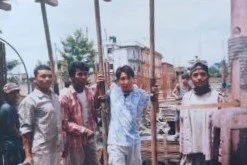
After graduating from TCV, Kunzang Dorjee attended a multi-year accounting and auditing course in Mundgod. He applied for an accounting position at TCV because he was eager to give back to the school that had educated, fed, and clothed him after he left Tibet. However, TCV recommended that he apply his natural talent for numbers to study civil engineering, since the school needed an assistant civil engineer. Based on this advice, he attended a civil engineering course in Pondicherry and returned to work at TCV for three years.
Kunzang Dorjee left TCV to found the first private Tibetan building-contracting firm. He led a lifestyle typical for young men his age, centered on football, parties, and the occasional group street fighting common to the Dharamasa exile scene. In contrast, he spent his holidays in Nepal with his uncle Ngawang Dorjee, who was a close student of Lama Jardel Sangye Dorje Rinpoche and Lama Wangdu. Lama Wangdu had yet to acquire widespread renown, and he often visited Ngawang Dorjee’s house to perform rituals and empowerments.
Life in Nepal
By the late 1990s, Kunzang Dorjee tried to leave India to return to Tibet. Despite many attempts, he eventually realized he was stuck in Nepal and found work as a supervisor for the construction of HIIMS School for three years. He later joined Annapurna Carpet Factory in Boudha on the recommendation of a client. Coincidentally, this factory invited Lama Wangdu to hold an annual puja. During one of these auspicious visits, Kunzang Dorjee requested and received the lung for the prostration preliminary practices. Although he started his prostrations, he kept getting into street fights until one particular brawl.
He intervened to protect a friend, but during the fight, his friend fled, leaving him to be knifed and beaten unconscious by the gang. In the hospital, he became a shi-log, one who has returned from death. Although the closest equivalent term in English is near-death experience, the Tibetan context is more specific, referring to those who actually died, or came near enough to death that they passed into the next bardo and returned with memories of the experience.
As he quickly recovered, he realized that risking his life over petty matters wasted energy that could be better directed toward the Dharma and the liberation of all sentient beings from suffering. Therefore, even before he had been released, he committed himself fully to the Vajrayana.
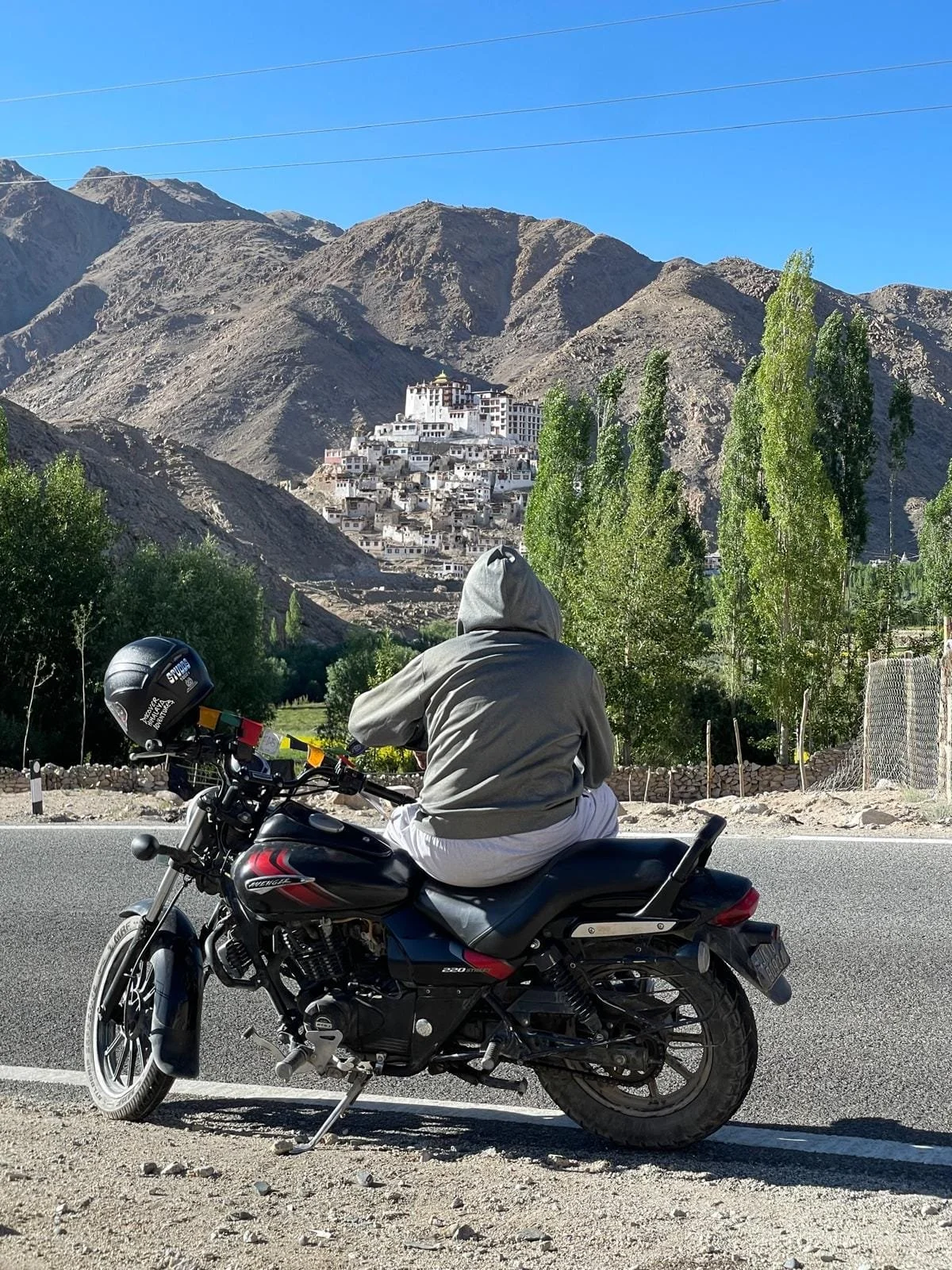
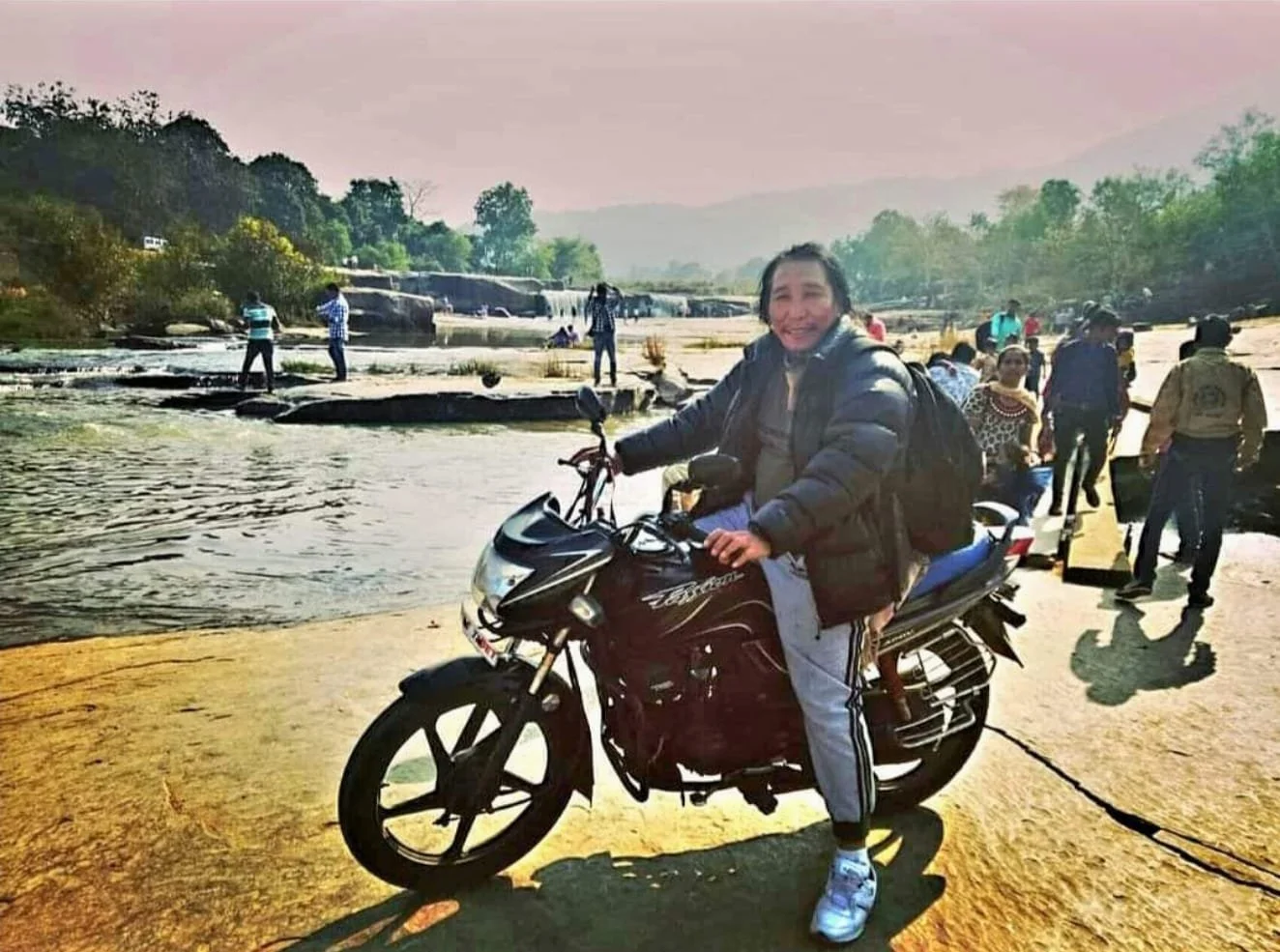
Despite his newfound commitment to the Dharma, he still had to attend to household obligations, such as his family, job, and finances. Over time, he found it harder to remain fully invested in these mundane concerns. This tension erupted when he decided to pack his Dharma texts, ride his motorcycle until it ran out of fuel, and abandon it in the forest to wander and practice. However, this plan never came to be. As he attempted to leave, his family noticed him hiding a large bulge under his shirt. Fearing he might be stealing household valuables, they called his friend, Dhargyal, to physically intervene and prevent him from leaving Boudha. Dhargyal met him, and the two engaged in a half-hour tug-of-war with Dhargyal trying to pry Kunzang Dorjee’s hand away from whatever was hidden beneath his shirt. This only ended when his family noticed the “valuables” he’d been trying to smuggle away were actually his Dharma text and daily prayers.
The fight dissolved into laughter with everyone making amends. Kunzang Dorjee decided to stay with his family that day, but he recognized that the incident was his first attempt to cut his attachment to his motorbike and worldly concerns. He knew it was only a matter of time before he left to dedicate himself to practice.
Entering Chöd practice
A couple of months after his failed attempt to leave his family, Kunzang Dorjee went to where Lama Wangdu was giving an audience. He requested to learn Chöd, and with Lama Wangdu’s agreement, he received his first official teaching from Lama Wangdu. When asked for instructions on how to practice, Lama Wangdu told the story of Takmo Lujin, a popular Jataka tale about the Buddha’s past lives. In a past life, as Prince Mahasattva, the Buddha encountered a hungry tigress and, to save her and her cubs, gave his body in the ultimate act of compassion. Lama Wangdu explained that giving one’s body selflessly, as Prince Mahasattva had done, is the main instruction of authentic practice. He instructed Kunzang Dorjee to practice true Chöd with the same dedication as Prince Mahasattva and said to return in four days for further empowerments.
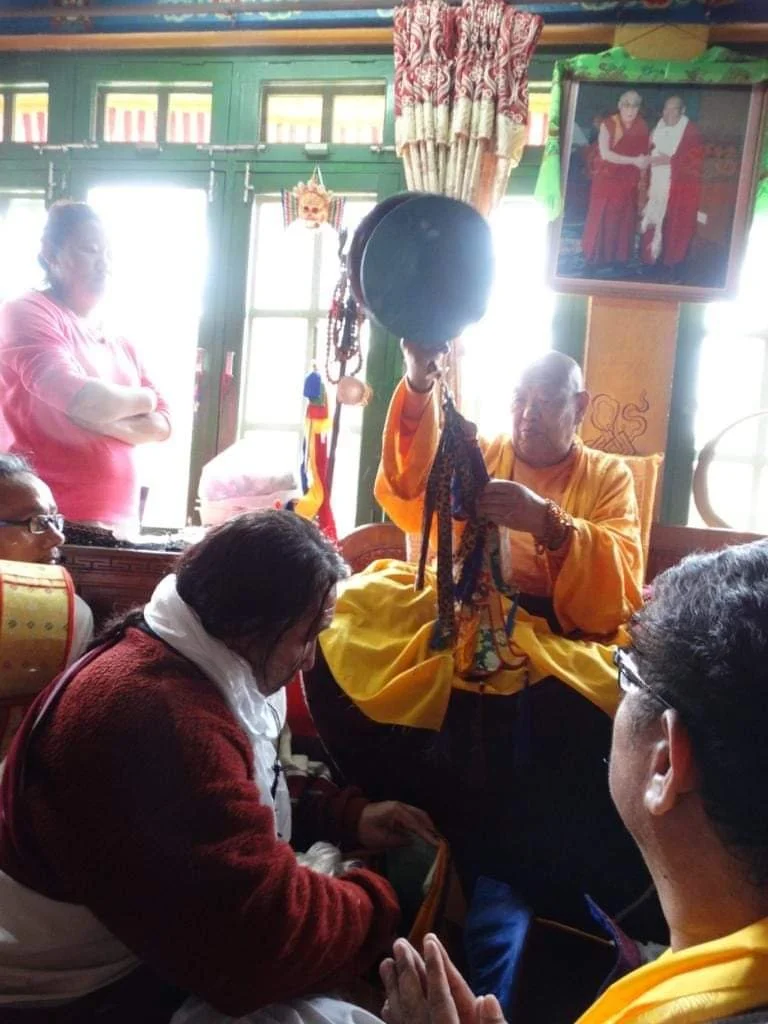
Chödpa Kunzang Dorjee with Lama Wangdu
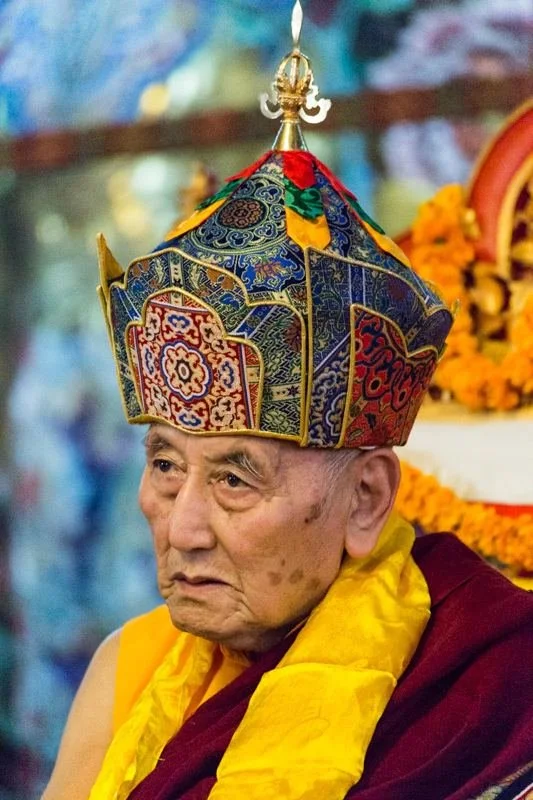
Yangthang Rinpoche
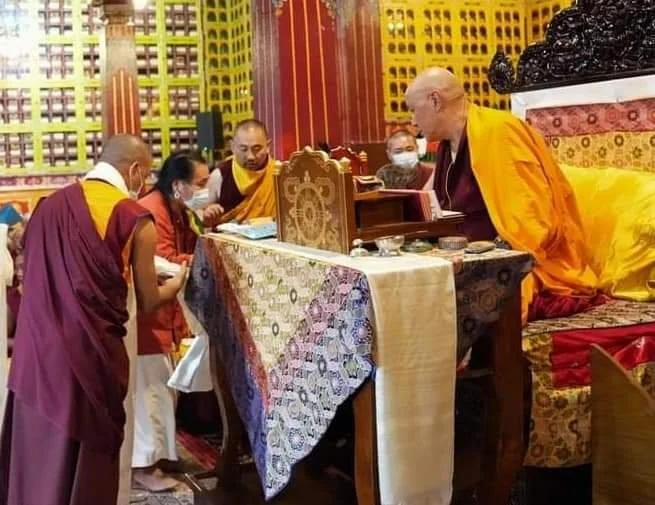
Chödpa Kunzang Dorjee receiving an empowerment from Sangye Nyenpa Rinpoche
Kunzang Dorjee attended Lama Wangdu’s daily morning teachings and sought to deepen his practice by receiving major Chöd empowerments. From Sangye Nyenpa Rinpoche, he received the complete Shije Chöd empowerments (Chöd wang gyantsa); from Yangthang Rinpoche, the twenty-day Nyingtik Yapshi empowerment; the Yumka Dechen Chöd (Longchen Nyingtik Laughter of Dakinis) empowerment from Lama Choedek Rinpoche, and the Tröma Nagmo empowerment from Dungse Garab Dorje Rinpoche.
Labchi retreat
Kunzang Dorjee undertook several years of intense practice before embarking on a pilgrimage to Labchi, where he had an auspicious meeting with Labchi Drubpon Dordzin Dondrub Rinpoche, who instructed him in Chöd while also interspersing teachings with inspiring stories about Shivji and Parvati. Before departing, Kunzang Dorjee presented the Rinpoche with his favorite flashlight, symbolizing the gift of light, and was given in return a precious robe once owned by a very high Drikung Yogi, then passed down from yogi to yogi over five times.
Although the robe bore the marks of long use and many years of being unwashed, Kunzang Dorjee wore it during Chöd practice. He reluctantly came to wash it after it disappeared during a puja in Boudha, later to be recovered in a refuse pile - this incident only deepened his appreciation for it. He still occasionally wears it today.
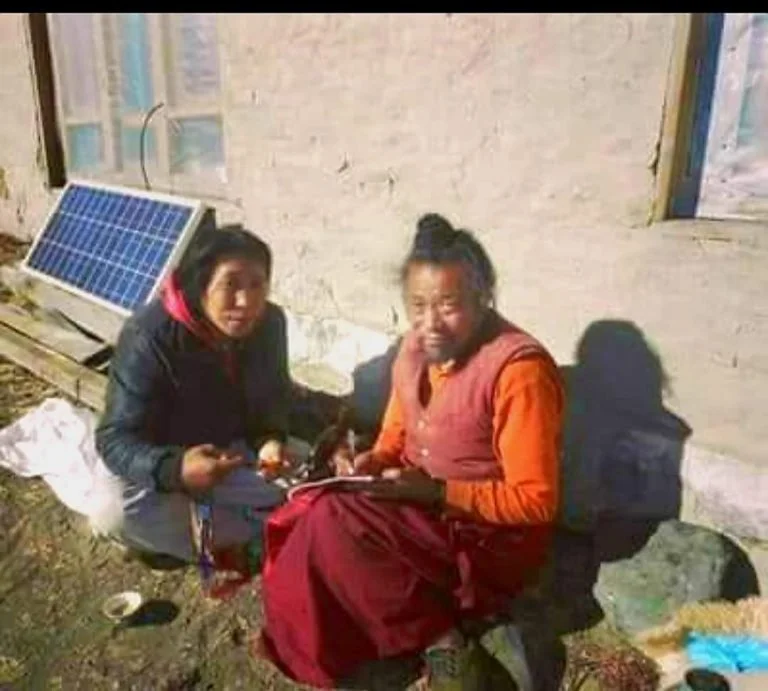
Chödpa Kunzang Dorjee with Retreat Master Drubpon Dordzin Dondrub Rinpoche
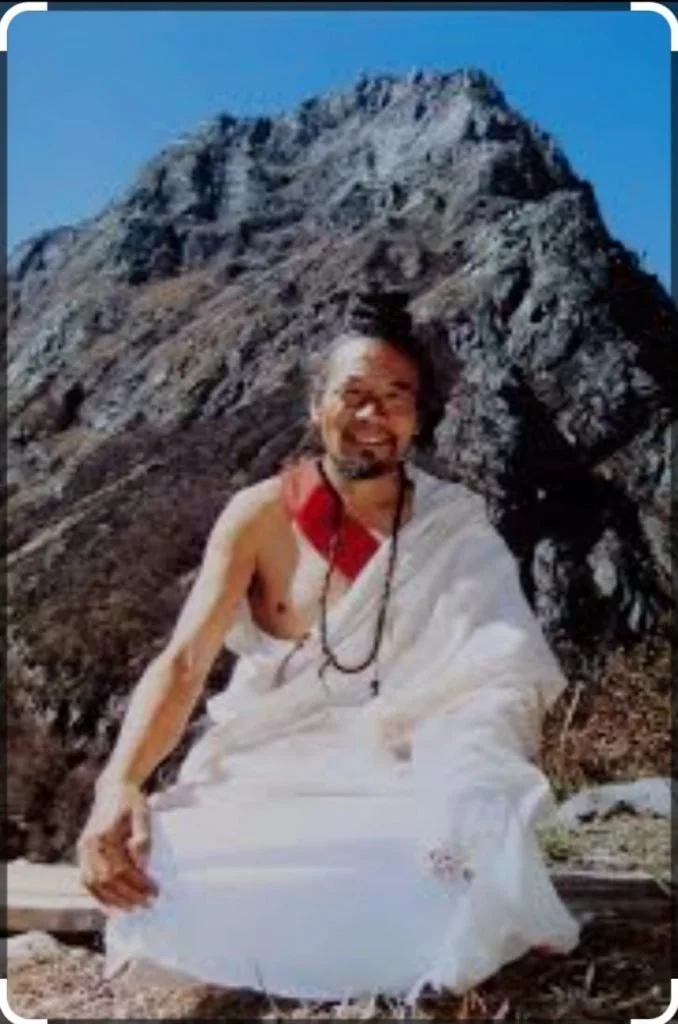
Drubpon Dordzin Dondrub Rinpoche
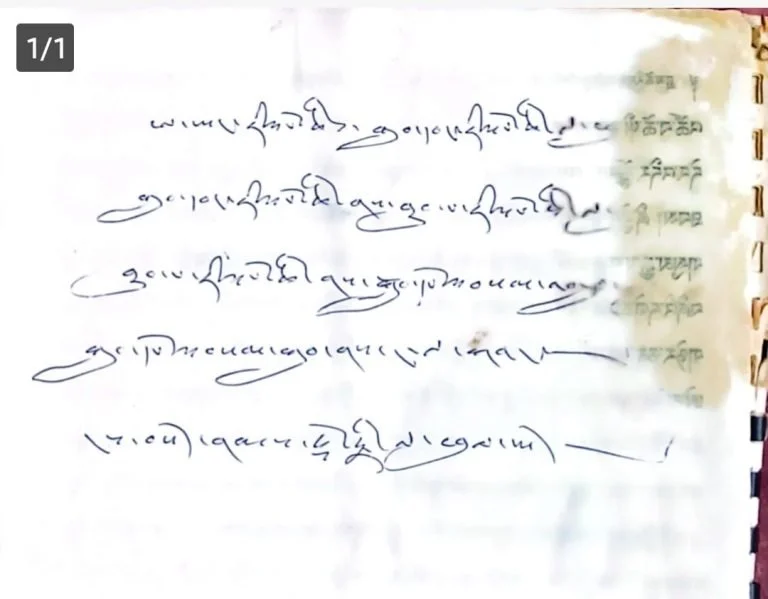
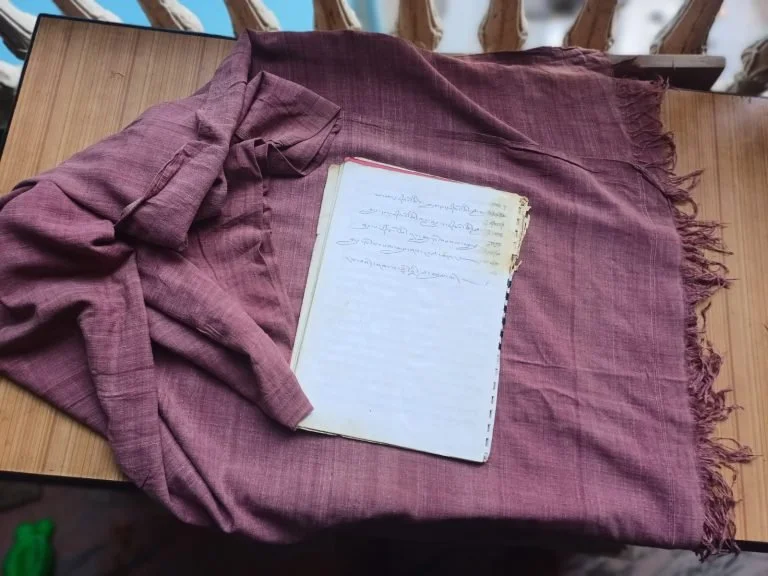
Unwashed robe
Driven by his commitment to Chöd, Kunzang Dorjee traveled widely to seek out Chöd masters from whom he could receive further teachings. From Dungse Garab Dorje Rinpoche and Dudjom Yangsi, he received teachings on Tröma Nagmo Chöd.
When Garab Dorje Rinpoche bestowed the empowerment, only a select few among the many gathered were chosen to receive the Tröma Wangchen, the highest empowerment. Kunzang Dorjee was among the selected. He also returned to Lama Wangdu on multiple occasions to receive Machig Labdrön Chöd empowerment, as well as multiple empowerments for Opening the Sky.
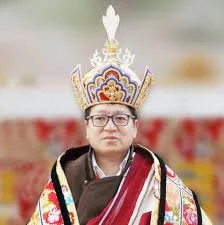
Dungse Garab Dorje Rinpoche
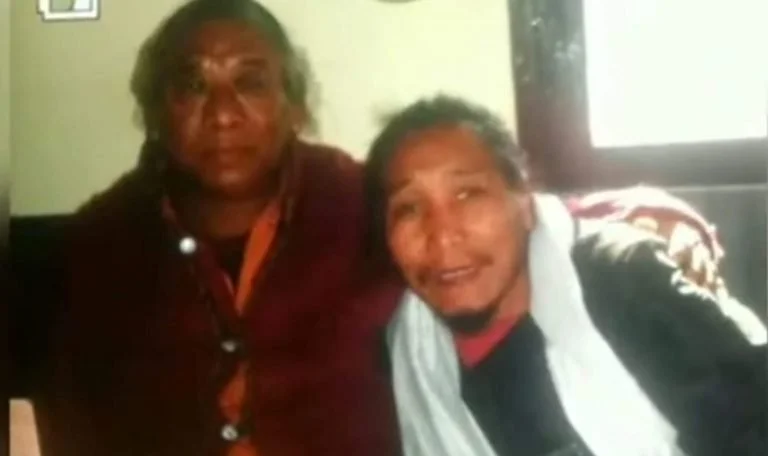
Tso Pema Lama Tashi Chorjor
Tso Pema
In Tso Pema, Kunzang Dorjee had the good fortune to meet Tashi Chojor, a great Yogi who eventually became one of his gurus and bestowed upon him the teachings of the Dzinpa Rangdrol Chöd, the Longchen Nyingthig Ngondro, Kunzang Lamai Shelung, and the Tsokley Rinchen Trengwa. Tashi Chojor advised Kunzang Dorjee to wander alone, practicing Chöd in haunted places without provisions or plans, living only on offerings. He said that as long as one has Buddhadharma, one will never be completely impoverished. Kunzang Dorjee took this advice to heart and traveled as a wandering yogi. Even when his guru sent him to retreat, he carried only a small amount of tsampa and sustained himself on occasional offerings he would receive from people.
Meeting Lama Thuptan Choedak
As Lama Wangdu grew older and his fame spread, he began spending much of his time in the United States. Kunzang Dorjee still sought to continue his training, and it was through a chance encounter with an old friend, Lhakba Tsering, that he first heard of Lama Thuptan Choedak. Lhakba Tsering was one of Lama Choedak's students and spoke highly of him, encouraging Kunzang Dorjee to seek his guidance. Kunzang Dorjee followed this recommendation. He gathered his Chöd Refuge Tree and traveled to Pharphing to meet Lama Choedak.
Upon their first meeting, Kunzang Dorjee requested an explanation of the Refuge Field. Lama Choedak gave vivid and erudite explanations of visualizations. He also showed immense knowledge, humility, and compassion that moved Kunzang Dorjee to request that he become a student and that Lama Choedak become one of his root gurus. Lama Choedak agreed and has since provided numerous teachings, empowerments, and personal guidance.
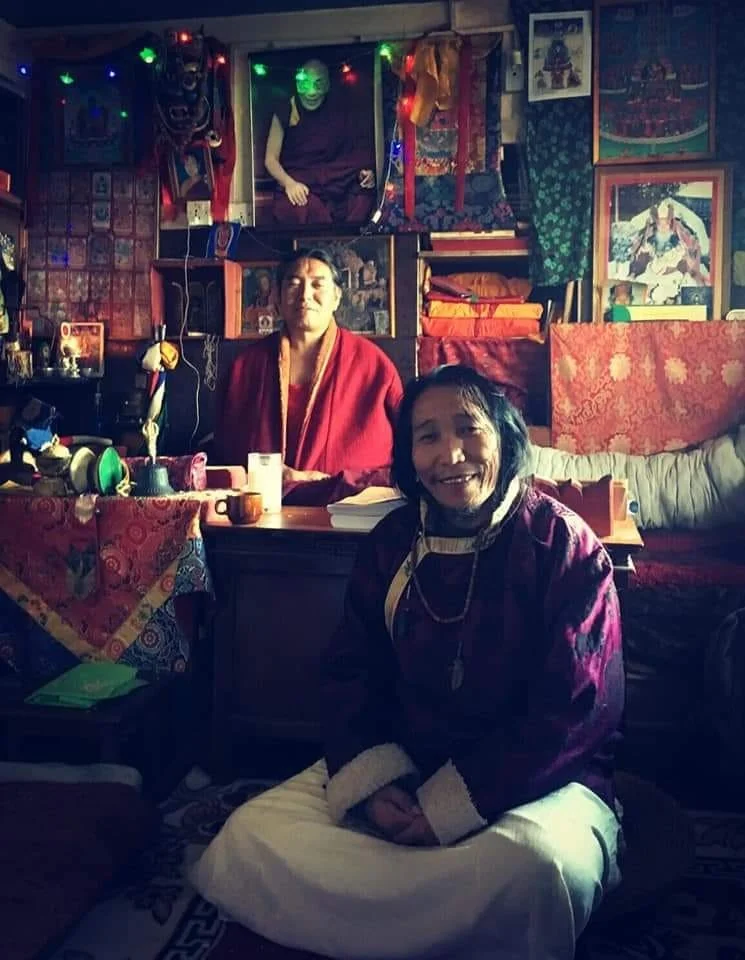
Lama Thuptan Choedak
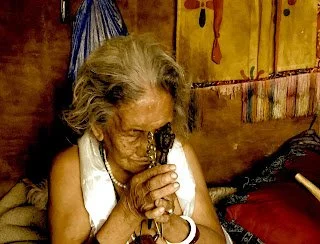
Ani Dawa, Momo la
Ani Dawa, Momo la
Another of Kunzang Dorjee’s great teachers was Ani Dawa, affectionately known as Momo la. A 90-something-year-old hidden Dakini who lived in full-time retreat in Nagarkot, Momo la, passed away in 2019. In her earlier days, she lived in Pharphing, where she cared for many retreat lamas. Momo la had extensive experience with Chöd and guided Kunzang Dorjee based on her own practice. She once recounted that while practicing Chöd, a Nepali man threatened her by throwing blood at her, telling her to leave. Recognizing he was no ordinary man, she continued practicing undeterred. Early the next morning, the man returned, asking her to teach him the dharma, before slowly disappearing. This was the nature of her teaching about the nature and power of Chöd.
Sacred places
Over the years, Kunzang Dorjee has traveled to many sacred places to practice Chöd. Once, while performing a Chöd tsok at the shrine of Princess Mandarava’s Well in Mandi, five roses fell into his lap. As his eyes were closed, he assumed someone had tossed them there as a donation, which is a usual occurrence in public places. He thought nothing of the gesture until after the puja, when, upon opening his eyes, he saw the roses and the caretaker weeping. He asked why she was crying, and she explained that the puja had been so powerful that he had received the “blessing of the mother.” Kunzang Dorjee looked around the cave and realized it was fully closed, so the roses seemed to have fallen from nowhere. He took this as an auspicious sign from the deities that he was on the right path. In honor of this occasion, he spontaneously composed a song.
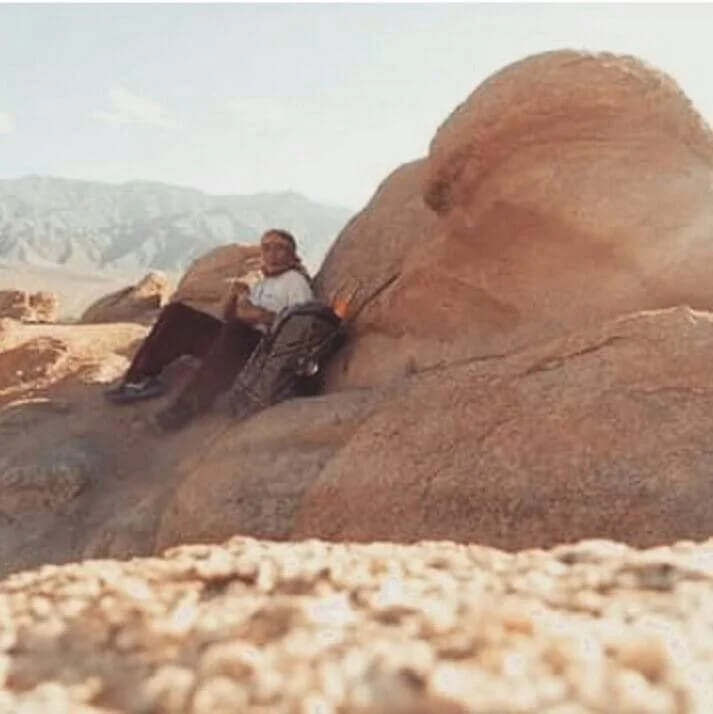
Kunzang Dorjee continued to practice the traditional Chöd customs - In cemeteries and charnel grounds, living naked, without plans or provisions, facing wild animals, enduring the heat and cold, and periods without food.
Chöd pilgrimage
During his practice in Sailong, an area locals believed to be haunted by an evil spirit, Kunzang Dorjee instinctively included cabbage and milk in his ritual offerings. The locals expressed delight upon learning of this, as these were the only offerings that could appease the spirit. Through his Chöd practice, they felt the area was safe again.
Practicing in the wilderness brought many dangerous encounters. Kunzang Dorjee responded to each one through the practice itself. Whether running out of food or facing wild animals, he continued his practice with faith.
An incident with an ox
Once, while practicing Chöd in an evergreen glade of trees outside Pashupati Forest, where children are buried, a large red ox charged from the hills above. Remembering an incident in which a mastiff attacked Lama Wangdu, Kunzang Dorjee visualized Dorje Phagmo, the female dakini of Chöd, and yelled, “PHAT!” He continued the Chöd dance, waving and blowing his thighbone trumpet. Despite thinking he would die, he stayed and continued practicing. Just as the ox reached him, the slobbering, angry beast stopped.
A hallmark of a Chödpa’s training is the traditional retreat of 108 charnel grounds. Lama Wangdu instructed Kunzang Dorjee to do a variation of it - a twenty-five-day retreat starting at Jamon Dara Cemetery on a Friday. That day happened to be the first day of Saga Dawa, the holiest month in which merit is multiplied a thousandfold. From Jamon Dara, he continued to Pashupati, Swayambhu, and Ramato, staying three days at each as instructed. Upon completing these four core sites, he was free to choose whatever cemeteries he wished, and traveled among the major cremation grounds, moving on foot between sites and practicing through the night. His retreat ended at Vajrayogini Temple in Pharping on Dakini Day, in the auspicious time of Saga Dawa
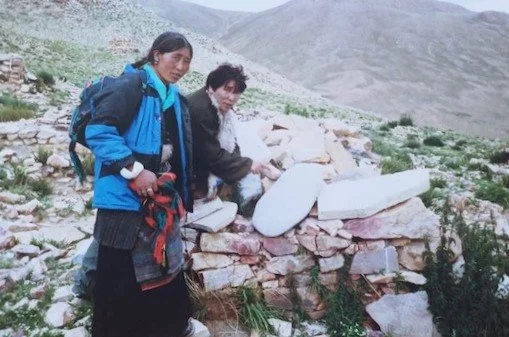
Machik’s footprints (Dingri Langkhor Cemetery)
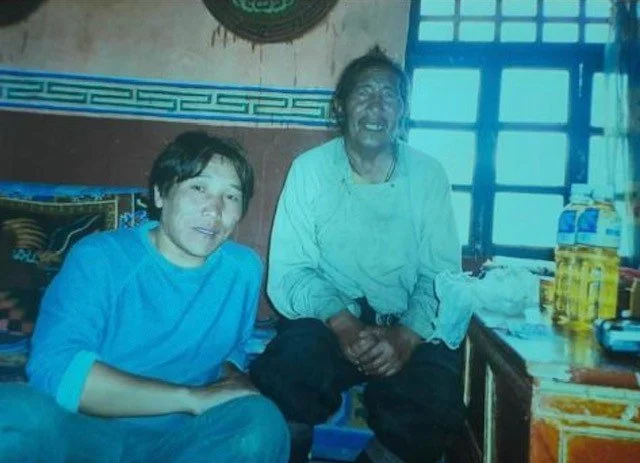
Zorkhang Rinpoche, highest Ngakchang in Dingri and Langkhor
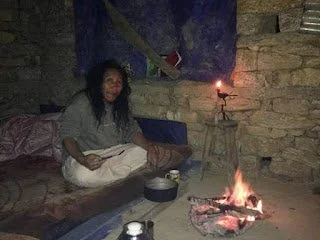
In retreat in Sailong
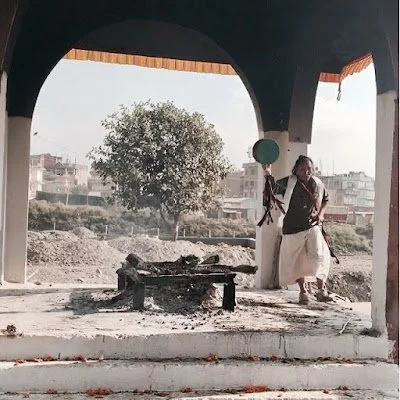
Performing Chöd Dance at funeral
Khandro Labdrön Shije Chöd Institute
After the retreat, people began to request Chöd training from Kunzang Dorjee. He asked Lama Wangdu whether he could teach, and Lama Wangdu approved. His first student was a talented Ukrainian woman. Since then, students have come from all over the world - India, Nepal, Tibet, Europe, Malaysia, Taiwan, Thailand, the United States, Canada, South America, Australia, and Russia.
In 2017, Kunzang Dorjee founded the Khandro Labdrön Shije Chöd Institute in Boudha, Nepal. Lama Choedak auspiciously conferred the name. That same year, he hosted a three-month residential retreat in Sankhu, Nepal, with students from India, Nepal, the US, Sweden, and Russia.
When not traveling, Kunzang Dorjee stays at the Institute with his family, teaching Buddhism, Chöd, and Tibetan Yoga. His command of English allows him to engage a diverse group of students from across the world seeking instruction and guidance. He also continues to perform Chöd at funerals, cremation ceremonies, and local charnel grounds, carrying on this rare tradition in its original form, that of a wandering yogi.
The original biography was written by Pema Khandro, to whom Chödpa Kunzang Dorjee recounted his life story at the Khandro Labdrön Shije Chöd Institute in Nepal in 2017; some minor edits were made in 2021 and 2023. It was further revised and updated in 2026.